Why "study apps" that make flashcards and quizzes for you won't get you good grades
Discover the hidden risks of AI-generated study materials: why giving up your own initiative could sabotage your progress, and how active involvement and self-reflection take your learning further.
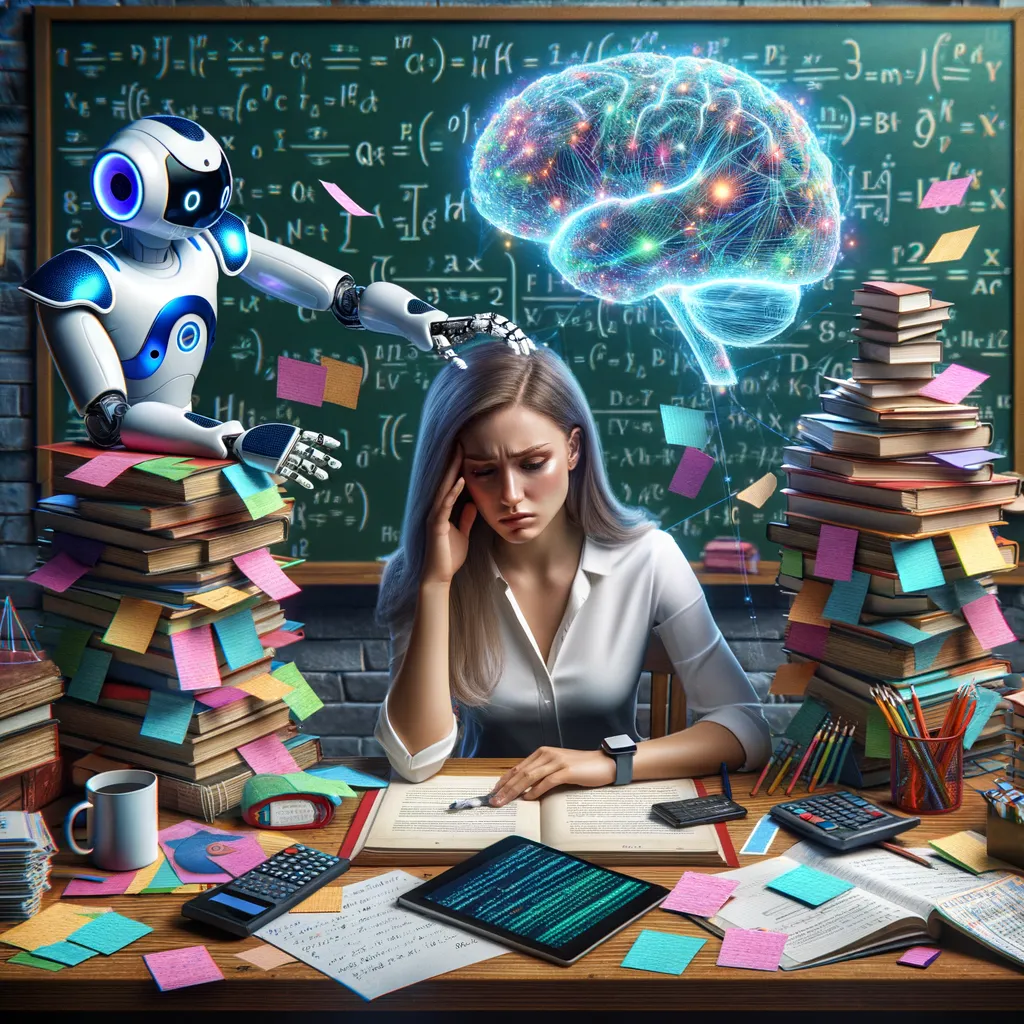
Why AIs that make flashcards and quizzes don’t help you
In the digital age we live in, artificial intelligence (AI) seems to be everywhere. Whether it’s creating flashcards or interactive quizzes, the technology promises to revolutionise learning. But does AI really deliver on its promises? For many students, the answer might be surprising.
The temptation of automation 📚
AI is often presented as the solution to the difficulties of learning. Especially at university, tools that generate flashcards or quizzes are extremely popular. They let you create study material tailored to specific content quickly and easily. But is that really enough for effective learning?
Studies have shown that active engagement is the key to lasting progress. Research published in the Journal of Learning Sciences stresses that deep learning comes from actively working with the material, not from passive consumption.
The curse of convenience 💤
There’s no doubt the convenience AI offers is appealing. Having personalised study material created for you saves time. But that convenience can be deceptive. AI can’t spark the interest or intrinsic motivation you need to stay engaged with the material over the long term.
In his research, psychologist Richard Mayer points out that learning without active involvement becomes sluggish and ineffective. Relying only on ready-made materials can lead students to skim information instead of really engaging with it. You can read more about his findings here.
The power of your own strategy 🎯
A major drawback of using AI for learning is that you miss out on practising metacognition and self-directed strategies. Being able to develop your own study strategies is crucial for processing and retaining knowledge effectively. Making flashcards yourself or coming up with your own quiz questions forces you to think critically about the material and structure it.
A study by the American Psychological Association shows that learning success is closely linked to the ability to self-regulate. Students who create their own materials develop a better understanding of how they learn and can respond more easily to new challenges.
The benefits of human interaction 🤝
Another downside of relying only on AI-based learning methods is the loss of human interaction. Peer-to-peer learning, discussion and swapping ideas are key parts of the learning process. They encourage critical thinking and the ability to see things from other perspectives.
Research such as that published in the International Review of Education shows that social interaction is a powerful driver of deep learning. Talking things through with fellow students helps you spot gaps and reflect on your own learning.
The role of emotions in learning 😊
Emotions play an important role in learning. AI currently can’t respond to learners’ emotional states or individual needs. It works purely on data and can’t replace the human element in education.
According to an article in American Psychologist, an emotional connection to a topic and enthusiasm for it are important factors that boost memory and motivation to learn.
Conclusion: AI as a supplementary tool
In the end, AI can support your learning, but it doesn’t replace the need for an active approach that also involves your emotions. AI-generated flashcards and quizzes can be a supplement, but they shouldn’t be your main strategy for acquiring knowledge.
By combining human interaction, self-made strategies and AI technology, you can create an ideal learning environment that supports both efficiency and deep understanding.
Knowing your own strengths and weaknesses and developing your own learning style are essential. Technology can help, but full responsibility for learning stays with you. That’s the only way to build long-term success, not just scrape through the next exam.